Update (2026): The federal Energy Efficient Home Improvement Credit (Section 25C) expired December 31, 2025, following the passage of the OBBBA. Check state and local programs for current incentives.
Up to 30% of the energy used to heat and cool the average American home is wasted due to air leaks, inefficient appliances, and poor insulation. This means for every $1,000 you spend on utility bills, $300 is effectively lost through cracks in your walls, outdated windows, and an overworked HVAC system. So this isn't just about comfort; it's about stopping a direct financial drain that occurs every single month.
What Should Be On Your Home Energy Audit Checklist for Maximum Savings?
A home energy audit checklist is a diagnostic tool itemizing key areas for energy loss inspection, including insulation levels, air sealing gaps, HVAC efficiency, and appliance performance. For 2026, this checklist guides homeowners toward upgrades eligible for up to $14,000 in combined federal and state rebates.
The core tension for homeowners is the gap between knowing their energy bills are high and identifying the exact culprits. And without a systematic approach, you're just guessing. A comprehensive home energy audit checklist solves this by focusing on the five critical areas responsible for over 90% of a home's energy waste. These include checking attic insulation for a minimum R-38 value, using an incense stick to find air leaks around windows and electrical outlets, inspecting HVAC ductwork for leaks which can account for 20-30% of energy loss, evaluating appliance ENERGY STAR ratings, and assessing window and door seals. So completing this checklist transforms abstract energy loss into a concrete action plan, pinpointing where a $500 insulation upgrade or a $150 air sealing project will deliver the fastest return on investment. But failing to check these items means you will continue to overpay on utilities month after month.
What State and Utility Rebates Are Available for Home Energy Upgrades, and How Much Can You Save?
State and utility rebates for 2026 offer direct cash incentives for specific energy-efficient upgrades, with amounts ranging from $250 for smart thermostats to over $8,000 for qualifying heat pump installations. These programs are funded at the state level and designed to supplement federal tax credits.
In 2026, nearly every state offers some form of energy rebate, but the amounts and eligible equipment vary drastically. For instance, California's programs offer up to $3,000 for heat pump water heaters, while New York provides up to $4,000 for weatherization improvements. So you must check your specific utility provider’s website, as they often provide additional rebates on top of state programs. A homeowner in Massachusetts, for example, can receive a $10,000 rebate for a whole-home heat pump rebate from Mass Save. And these rebates are typically point-of-sale or post-purchase mail-in offers, directly reducing your out-of-pocket cost. But funding is often limited and allocated on a first-come, first-served basis, making it critical to apply early in the calendar year before funds are depleted.
2026 Home Energy Rebate Program Comparison
| Program Type | Typical Rebate Amount | Key Eligibility | Application Deadline |
|---|---|---|---|
| Federal Tax Credit (IRA) | Ended Dec 31, 2025 | — | December 31, 2025 |
| State Rebate (Varies) | $500 - $8,000 | State residency, income limits | Varies, often annually |
| Utility Rebate (Varies) | $50 - $1,500 | Must be a customer of the utility | Varies, often annually |
Do You Qualify? Understanding Income Limits and Eligible Equipment for Energy Incentives.
Qualification for 2026 home energy rebates depends on household income, location, and the technical specifications of the installed equipment. Many state programs use Area Median Income (AMI) as a benchmark, with enhanced rebates available for households earning less than 80% of their area's AMI.
Eligibility isn't universal; it's a specific formula. The Inflation Reduction Act's Home Electrification and Appliance Rebate (HEAR) programs, for example, are administered by states and prioritize low-to-moderate income households. And to qualify for these enhanced rebates, a household's income must not exceed 150% of the local median income. For federal energy tax credits, there are no income limits, but the equipment itself must meet strict efficiency standards set by the Department of Energy. So a new air conditioner must have a SEER2 rating of 16 or higher to qualify for the 30% tax credit (this federal credit ended for property placed in service after December 31, 2025). Use our free rebate calculator to see your specific eligibility based on your income and zip code. But simply buying an ENERGY STAR appliance isn't enough; you must confirm it meets the specific tier required by the rebate program.
How Do I Apply for Home Energy Rebates? Process, Deadlines, and Funding Status Explained.
The application process for 2026 home energy rebates typically involves a multi-step verification sequence: pre-approval, installation by a certified contractor, and submission of a final invoice. Deadlines are strict, with most state and utility programs operating on a calendar-year basis ending December 31st.
Applying for rebates requires careful documentation. First, you must identify the correct program through your state energy office or utility website. And most programs require a pre-application to reserve your funds. So after receiving pre-approval, you hire a licensed contractor to install the qualifying equipment, like a heat pump or insulation. After installation, you submit the final paid invoice, project photos, and any required certification forms to the program administrator. But be aware of the program's funding status. Many state rebate programs have limited budgets that are exhausted before the year-end deadline. For example, some popular state EV charger rebate programs in 2025 ran out of funding by July. So it is imperative to check the program’s website for real-time funding levels before beginning your project.
Can You Stack Incentives? Combining Rebates and Contractor Requirements for Bigger Savings.
Yes, homeowners can stack multiple incentives in 2026, combining federal tax credits with state and utility rebates to reduce project costs by 50-100%. However, most programs require installation by a licensed and insured contractor, often from a pre-approved network, to ensure quality and safety.
Stacking incentives is the key to maximizing savings. For example, a homeowner can claim the 30% federal tax credit (up to $2,000) for a new heat pump (this federal credit ended for property placed in service after December 31, 2025), receive a $4,000 state rebate, and get an additional $500 rebate from their local utility. So this layered approach turns a $10,000 project into a $3,500 out-of-pocket expense. But these programs often mandate specific contractor qualifications. Your installer must typically be licensed in your state and carry liability insurance. And some utility programs, like Con Edison's in New York, require contractors to be part of their approved partner network. Always verify a contractor’s credentials and their familiarity with the rebate application process before signing a contract. (Note: Federal tax credit percentages and availability are subject to change; the 30% Residential Clean Energy Credit under Section 25D expired December 31, 2025. Verify current incentives at energy.gov.)
"By combining rebates and incentives, you can save thousands of dollars on your home energy efficiency upgrades." — U.S. Department of Energy
Official Sources
- ENERGY STAR Rebate Finder — A tool from the U.S. Environmental Protection Agency to find local rebates and special offers.
- DSIRE (Database of State Incentives for Renewables & Efficiency) — The most comprehensive source of information on incentives and policies that support renewables and energy efficiency in the United States.
Related Reading: Learn more about Grid Interactive Home Energy Audit and Home Energy Audit Tax Deduction.
Frequently Asked Questions
What key areas does a home energy audit checklist typically cover?
A home energy audit checklist focuses on five primary areas: the building envelope (insulation, air leaks, windows), HVAC systems (furnace, AC, ductwork), water heating, lighting, and major appliances. It systematically evaluates each component for efficiency, helping prioritize upgrades that deliver the highest energy savings, often reducing utility bills by 15-30%.
What are the benefits of using a home energy audit checklist?
The primary benefits are cost savings and improved home comfort. By identifying specific energy leaks and inefficiencies, a checklist provides a clear roadmap for upgrades. This targeted approach ensures you invest in improvements with the fastest payback, such as air sealing which can save up to 20% on heating and cooling costs, while also eliminating drafts and cold spots.
Is a DIY home energy audit checklist sufficient, or should I hire a professional?
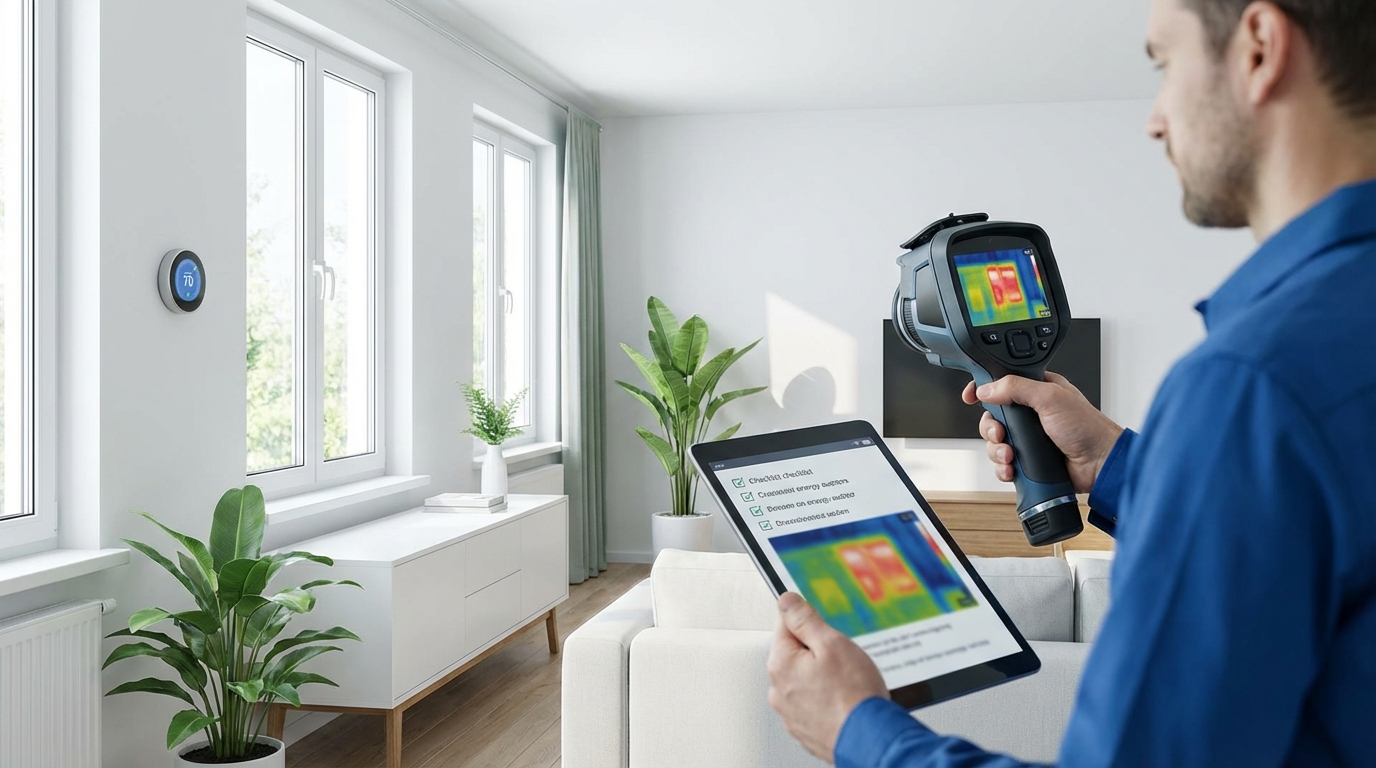
A DIY checklist is an excellent starting point for identifying obvious issues like drafty windows or poor attic insulation. However, a professional auditor uses specialized tools like a blower door test and infrared camera to uncover hidden air leaks and insulation gaps that a visual inspection will miss. For rebate applications, many programs require a professional audit report, which typically costs between $300 and $600.
What should I do after completing a home energy audit checklist?
After completing the checklist, prioritize the identified issues based on cost and potential savings. Low-cost DIY fixes like caulking windows or adding weatherstripping should be done first. For larger projects like adding insulation or upgrading your HVAC system, obtain at least three quotes from qualified contractors and investigate available 2026 rebates and tax credits before proceeding.
How can I prepare for a professional energy audit using a checklist?
Before the auditor arrives, use a DIY checklist to make a list of known issues, such as drafty rooms or high utility bills from specific seasons. Gather at least 12 months of your past energy bills for the auditor to analyze your usage patterns. Also, ensure clear access to the attic, crawl spaces, and mechanical room. This preparation helps the auditor work more efficiently and provide a more accurate report.
Find Out How Much You Can Save in 2026
Your home has dozens of hidden rebate opportunities. Use our free, 2-minute rebate calculator to instantly see every federal, state, and utility incentive you qualify for based on your zip code.
Calculate Your Savings NowLast reviewed: April 14, 2026. Reviewed by DuloCore Energy Specialists. About the team.